Turning off always on display on your iphone 18 can fix a surprising number of small problems, and it is a skill worth having on the iPhone 18 — but only if you do the right version of it. The same phrase covers several different actions on an iPhone, and they are not equal. This guide explains turning off Always On Display on your iPhone 18 step by step, gentlest first, so you can stop as soon as the job is done and never do more than you need to.
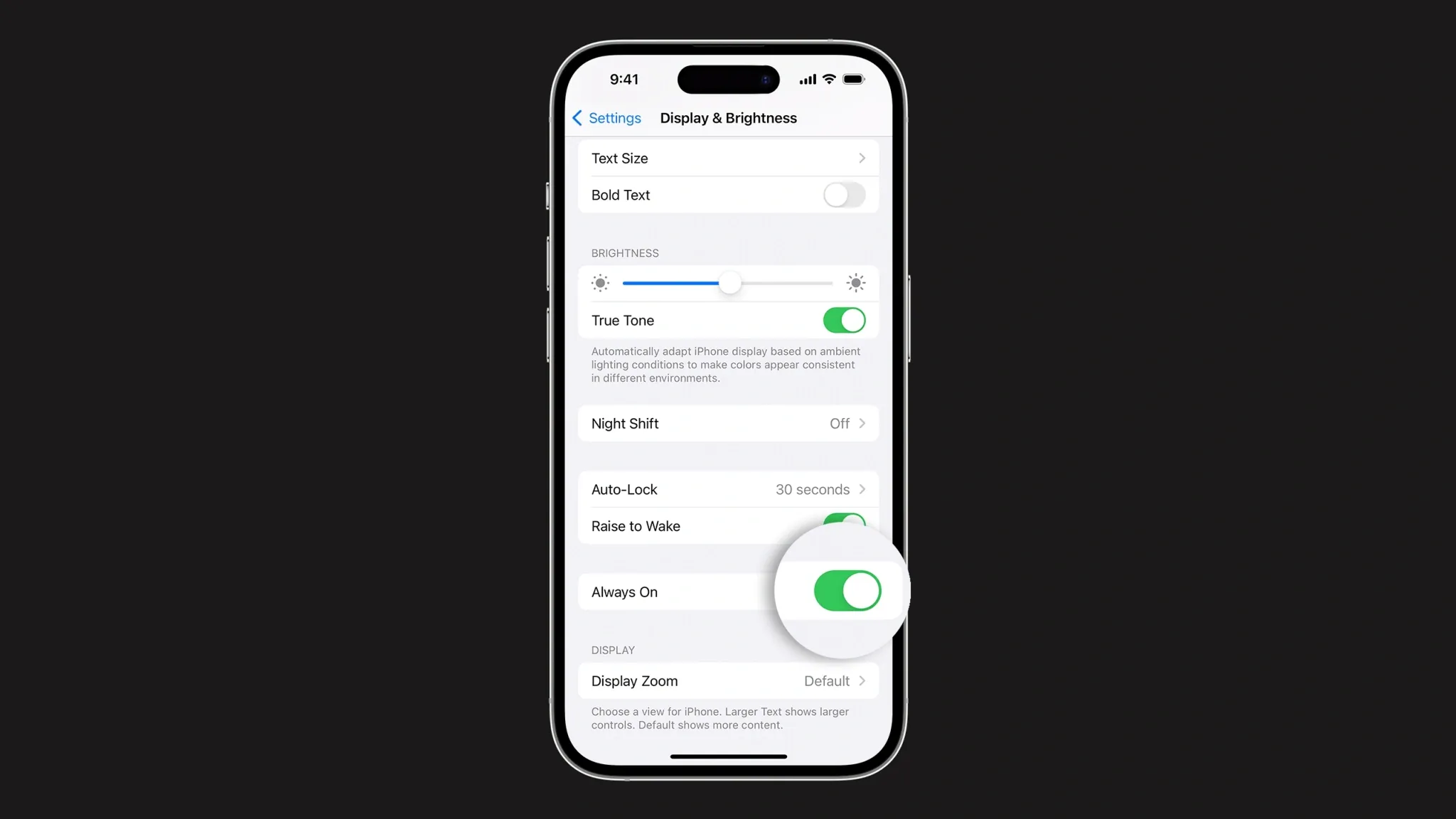
The short answer is this: Open Settings, tap Display and Brightness, then tap Always On Display. Switch off Always On Display. The Lock Screen will now go fully black when the phone locks. That is the whole job in its simplest form, and the rest of this guide is there for the days when the simple form does not work — when the screen freezes, when a button is stiff, or when the setting you need is in a different menu from the one you expected.
Before you start, take a minute to note what is actually wrong. Is the phone slow, is an app crashing, is the screen staying on, or is the battery draining fast? That answer decides which version of the job you need, and it stops you from doing the strongest version to fix a problem that the gentlest version would have solved in two minutes.
This guide is written for the iPhone 18 Pro, and the steps work on iOS as it ships on that phone. The menus are named exactly as they appear on screen, so you can follow them without guessing, and every internal link in the guide goes to a live guide on aafunky.com that covers a related job in the same detail.
Before You Start
Before you start turning off Always On Display on your iPhone 18, it helps to know what you are actually doing and why it works. The iPhone 18 is designed so that the everyday version of this job is quick, while the deeper version is tucked away in Settings, then Display and Brightness, then Always On Display, where it cannot be tapped by accident. Knowing which one you need before you start saves you from doing the stronger version when the gentler one would have been enough, and it saves you from repeating the job when the first attempt does not stick.
The first thing to check is the state of the phone itself. Is it charged, is it responding to touch, and is the thing you want to change actually a setting, a button, or an app? If the phone is frozen, the answer is different from the answer when the phone is working normally, and the steps below cover both cases, in order, so you can stop as soon as the job is done.
It also helps to have a minute of patience. Most iPhone jobs fail not because the steps are hard, but because a step is rushed — a button is held for too short a time, a slider is dragged too early, or a confirmation is tapped before the screen has finished loading. Go slowly through the steps in this guide, check the screen after each one, and the job will work the first time.
The Main Method, Step by Step
The main method is the one most people should use. Open Settings, tap Display and Brightness, then tap Always On Display. That is the whole job in its simplest form, and for most people it is also the whole answer. If it works, you are done, and there is no need to read the rest of this guide, although the troubleshooting section at the end is worth a look if the same problem keeps coming back.
Take the steps one at a time and watch the screen as you go. Switch off Always On Display. The Lock Screen will now go fully black when the phone locks. The phone will give you a clear sign at each stage — a slider, a menu, a countdown, or a changed icon — and if you do not see that sign, stop and try the step again rather than pushing on. A missed step early on is the most common reason a simple job seems not to work.
When the main method finishes, check the result before you put the phone down. To keep the wallpaper but hide notifications, leave Always On Display on and switch off Show Wallpaper and Show Notifications instead. If the result is what you expected, the job is done. If it is not, do not repeat the same steps immediately — read the next section first, because the fix is usually a small detail, such as a setting in a different menu, rather than the main method done twice.
The Alternative Method
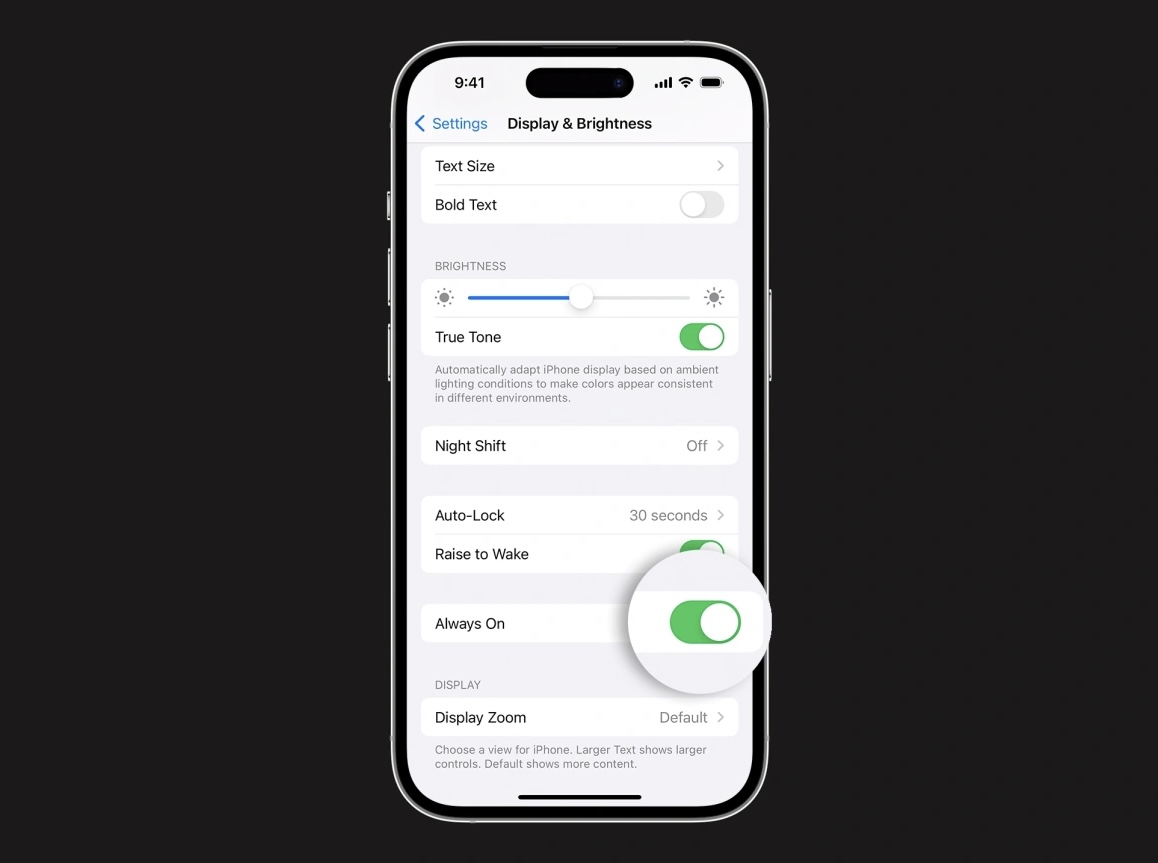
There is always a second way to do the same job, and it is worth knowing for the days when the main method is awkward. If you do not see Always On Display in Settings at all, your model does not offer this feature — use Auto-Lock instead, as described below. This method takes a few more taps, but it uses only the screen, which makes it the better choice when a button is stiff, when the phone is in a thick case, or when you are showing someone else and want them to see each step clearly.
The alternative method ends in exactly the same place as the main method, so use whichever one feels easier on the day. On a model without Always On Display, the screen already turns fully black when locked. Set Auto-Lock in Settings, then Display and Brightness, to control how fast it turns off. The phone does not remember which method you used, and there is no penalty for choosing the slower one. What matters is that the job finishes cleanly, with the screen showing the result you expected.
If neither method works, the problem is probably not the method at all. Check the battery first — a phone with a nearly flat battery can behave strangely — then check that iOS is up to date, because Apple fixes small faults like these in software updates more often than people realise. Go to Settings, then General, then Software Update, and install anything that is waiting.
When the Screen Will Not Respond
When the phone will not respond, the normal method cannot work, because it needs the screen to respond to your touch. That is the moment for the fallback in this guide. If the Always On Display setting is missing, do not look for it in another menu. It only appears on models whose screen can stay dimly lit without draining the battery — if your model does not offer it, there is nothing to turn off. This is a safe fallback, and it does not delete your photos, apps, or messages, although it is not something to use as your everyday method — it is for the days when the phone is genuinely stuck.
After the fallback, give the phone a minute to settle. It will restart, ask for your passcode, and then show the Home Screen, and it may feel warm or a little slow for the first few minutes while it finishes starting up. That is normal. Test the thing that was going wrong, and if it works now, the job is done.
If the phone still will not respond after the fallback and a charge, do not keep repeating it. Connect the phone to a computer with a USB-C cable and try a restore there, or contact Apple Support and describe exactly what happened and when. Repeating the same button sequence ten times will not change the result, and a professional check is faster than a tenth attempt.
What to Check Afterwards
Once the main job is done, spend a minute checking the things around it, because a small change can have a side effect you did not expect. For turning off Always On Display on your iPhone 18, the most common side effect is a setting that has changed with it — a sound, a notification, or a paired device that needs to be set up again. Go through the settings that matter to you and confirm they are still the way you want them.
It is also worth checking the battery after the job, especially if the phone restarted. The first day after a restart or a reset, the phone re-indexes photos and files, which uses extra power, so a warm phone and faster drain on that first day are normal. If the drain continues into the second or third day, check Settings, then Battery, to see which app is using the most power.
Finally, use the phone normally for a day before you decide whether the job worked. A fix that looks good for ten minutes and then fails again was probably not the fix, and a fix that holds for a full day, through calls, messages, and a night on charge, is a fix you can trust. Note what you did, so you can repeat it if the problem ever comes back.
Troubleshooting: When It Does Not Work
Most problems with turning off Always On Display on your iPhone 18 come down to one of a few simple causes, and they are worth checking in order before you try anything drastic. The first is the battery: a phone below ten percent can refuse to do things it normally does without complaint, and a phone that has been hot in the sun can slow itself down to protect its battery. Charge it, let it cool, and try again.
The second cause is storage. An iPhone that is nearly full will struggle with almost everything, from saving a photo to finishing a recording, and it will often blame the wrong thing. Check Settings, then General, then iPhone Storage, and free up space by deleting old videos, offloading apps you do not use, or moving photos to iCloud.
The third cause is software. If the phone has an update waiting, install it, because the fault you are seeing may already be fixed in the newer version of iOS. And if one particular app is always involved when the problem happens, delete that app and reinstall it from the App Store — a fresh copy of the app fixes more faults than a fresh copy of the phone does.
When This Will Not Fix the Problem
There are times when turning off Always On Display on your iPhone 18 is the wrong tool for the job, and knowing that saves you an hour. If the problem is hardware — a cracked screen, a button that does not click, a charging port full of lint, or a battery that drains in hours — no setting, button sequence, or reset will repair it. Those are physical problems, and they need a physical fix, either cleaning or a repair.
The same is true for problems with your carrier or your account. If calls drop in one place only, or if mobile data fails while Wi-Fi works, the fault may be in the network, not the phone. Test the SIM in another phone, or test another SIM in your phone, if you can. That one test tells you whether the phone or the network is at fault.
Be careful, too, with repeating the same fix over and over. Doing the same reset or the same button sequence five times does not make it work better the fifth time, and each attempt costs you time restoring settings and data. One careful attempt, done properly, is the test. If it does not work, change the approach rather than repeating it.
The One Warning to Remember
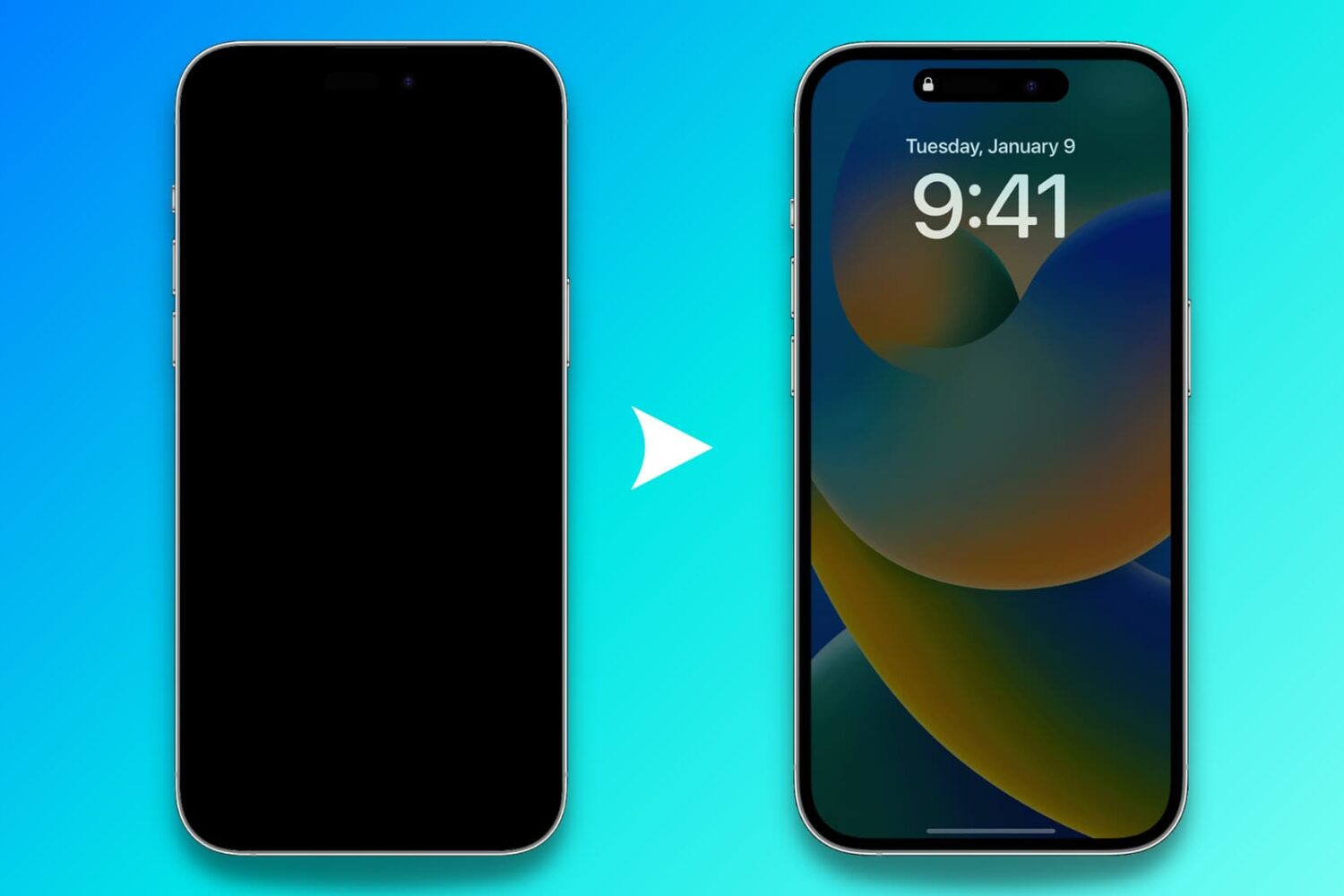
A warning is worth repeating here, because it is the one people forget. Turning off Always On Display does not turn off your notifications or your alarm. Calls, messages, and alarms all still work normally — only the dim Lock Screen disappears. Read that again before you start, and if you are not sure which version of the job you need, choose the gentler one first. You can always do the stronger version afterwards, but you cannot undo the stronger version once it has run.
If you take one habit away from this guide, make it this: check the result, then stop. Too many iPhone problems are made worse by fixing a thing that was already fixed, or by changing three settings at once and then not knowing which one helped. Change one thing, test it, and only then change the next.
That is the whole approach to turning off Always On Display on your iPhone 18: start gentle, use the alternative method when the main one is awkward, keep the fallback for a frozen screen, and stop as soon as the job is done. Done that way, it is a two-minute job, and your phone stays exactly the way you want it.
Frequently Asked Questions
How do I turn off Always On Display on iPhone 18? Go to Settings, then Display and Brightness, then Always On Display, and switch it off — on models that offer the setting.
Why can I not find Always On Display on my iPhone 18? Not every model offers Always On Display. If the setting is missing from Settings, then Display and Brightness, your model does not have it — use Auto-Lock to control how fast the screen turns off instead.
Does turning off Always On Display save battery? Yes, a little. The screen uses less power when it is fully black instead of dimly lit.
Will my alarm still go off with Always On Display off? Yes. Always On Display only changes what the locked screen shows. Alarms, calls, and messages work exactly as before.
Can I keep the wallpaper but hide notifications? Yes. Leave Always On Display on and switch off Show Notifications in the same menu.
One Switch to Turn It Off
Turning off Always On Display on an iPhone 18 is one switch in Settings, then Display and Brightness, then Always On Display. The Lock Screen goes fully black when the phone locks, and the battery lasts a little longer for it.
If the setting is nowhere to be found, your model does not offer Always On Display, and there is nothing to turn off — the screen already goes fully black. That is not a fault.
Related iPhone 18 guides: how to turn off iPhone 15 screen, how to get iPhone 15 screen to turn off, how to make iPhone 15 screen turn off, and how to turn off dim lock screen on iPhone 15. Also from Tony Express: How to Find WiFi Password on iPhone 17: A Step-by-Step Guide and How to Delete Yahoo Account on iPhone: Step by Step Guide.